
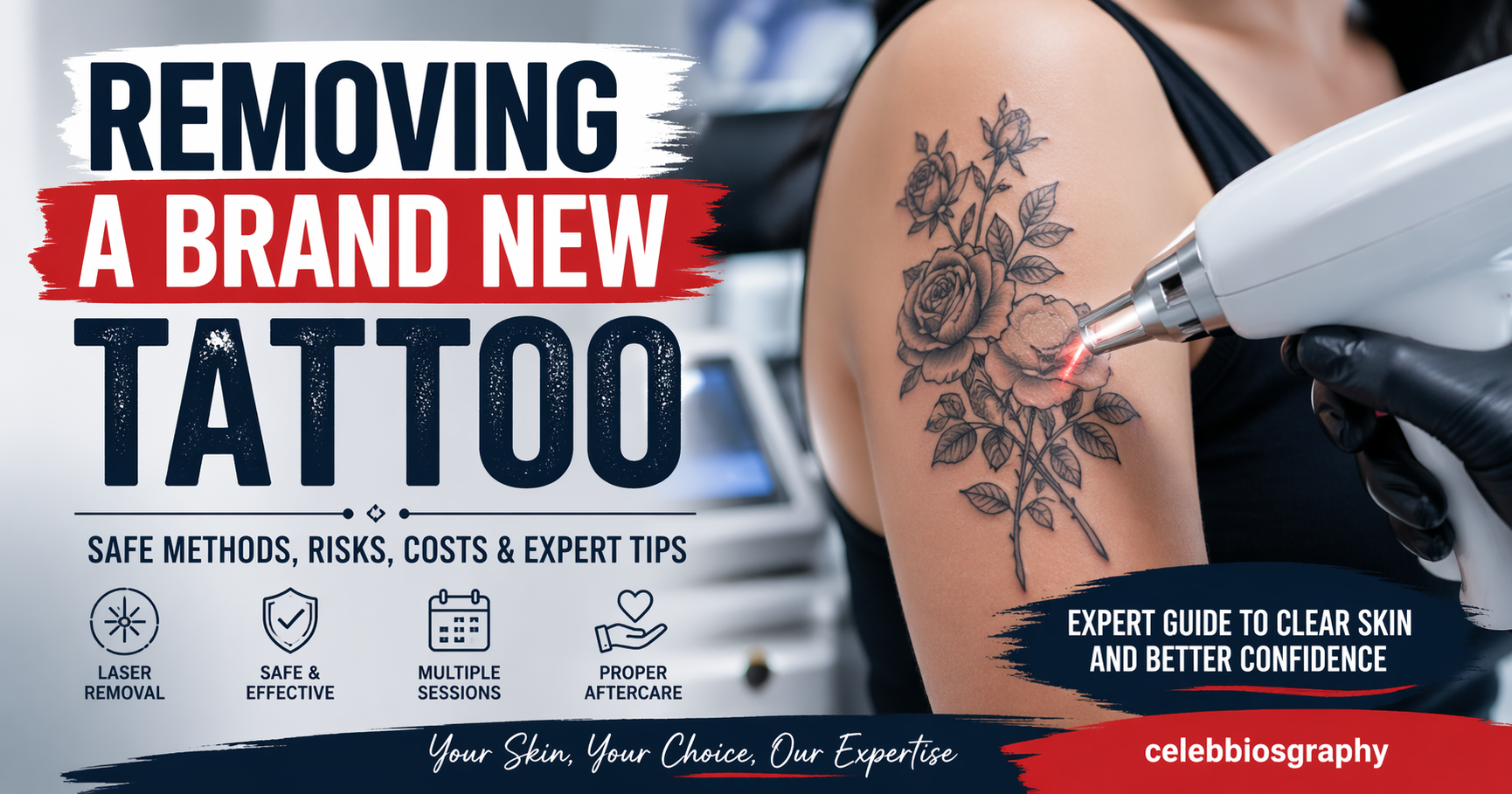

Getting a tattoo can feel exciting in the moment, but sometimes regret shows up faster than expected. Maybe the design didn’t turn out right, or your feelings changed overnight. That’s when the idea of removing a brand new tattoo starts to cross your mind.
The truth is, fresh tattoos behave very differently compared to older ones. Your skin is still healing, sensitive, and more vulnerable to damage. That means removal methods require extra care, patience, and the right approach. Jumping in too quickly can lead to scars, infections, or permanent skin issues.
In this complete guide, you’ll learn everything about removing a brand new tattoo, including safe options, timelines, costs, and expert-backed advice. Whether you’re dealing with regret or a mistake, this guide will help you make the smartest decision for your skin and your future.
What Happens When You Try Removing a Brand New Tattoo
A fresh tattoo is essentially an open wound. Your skin is still repairing itself while holding ink particles beneath the surface. Trying to remove it too early can disrupt this healing process and cause long-term damage.
When people rush into removing a brand new tattoo, they often underestimate how fragile the skin is. The immune system is actively working to settle the ink, and interference can lead to uneven removal or even infection.
Unlike older tattoos, fresh ones haven’t fully stabilized in the dermis. This makes removal unpredictable. Instead of fading evenly, the ink may spread or scar tissue may form, leaving a worse outcome than the tattoo itself.
That’s why most professionals strongly advise waiting before attempting any removal procedure.
How Long Should You Wait Before Tattoo Removal
Timing plays a huge role in safe tattoo removal. Experts recommend waiting at least 6 to 8 weeks before starting any removal process. This allows your skin to fully heal and reduces the risk of complications.
During this period, your body naturally begins breaking down some of the ink particles. While it won’t remove the tattoo completely, it can slightly fade it and make future treatments more effective.
Recommended Waiting Timeline
| Stage | Time Frame | What Happens |
|---|---|---|
| Fresh Tattoo | 0–2 weeks | Open wound, high risk |
| Healing Phase | 2–6 weeks | Skin repairing |
| Safe Removal Window | 6–8 weeks+ | Skin stabilized |
Waiting might feel frustrating, but rushing into removing a brand new tattoo can cause permanent scars that no laser can fix later.
Laser Tattoo Removal: The Most Effective Option
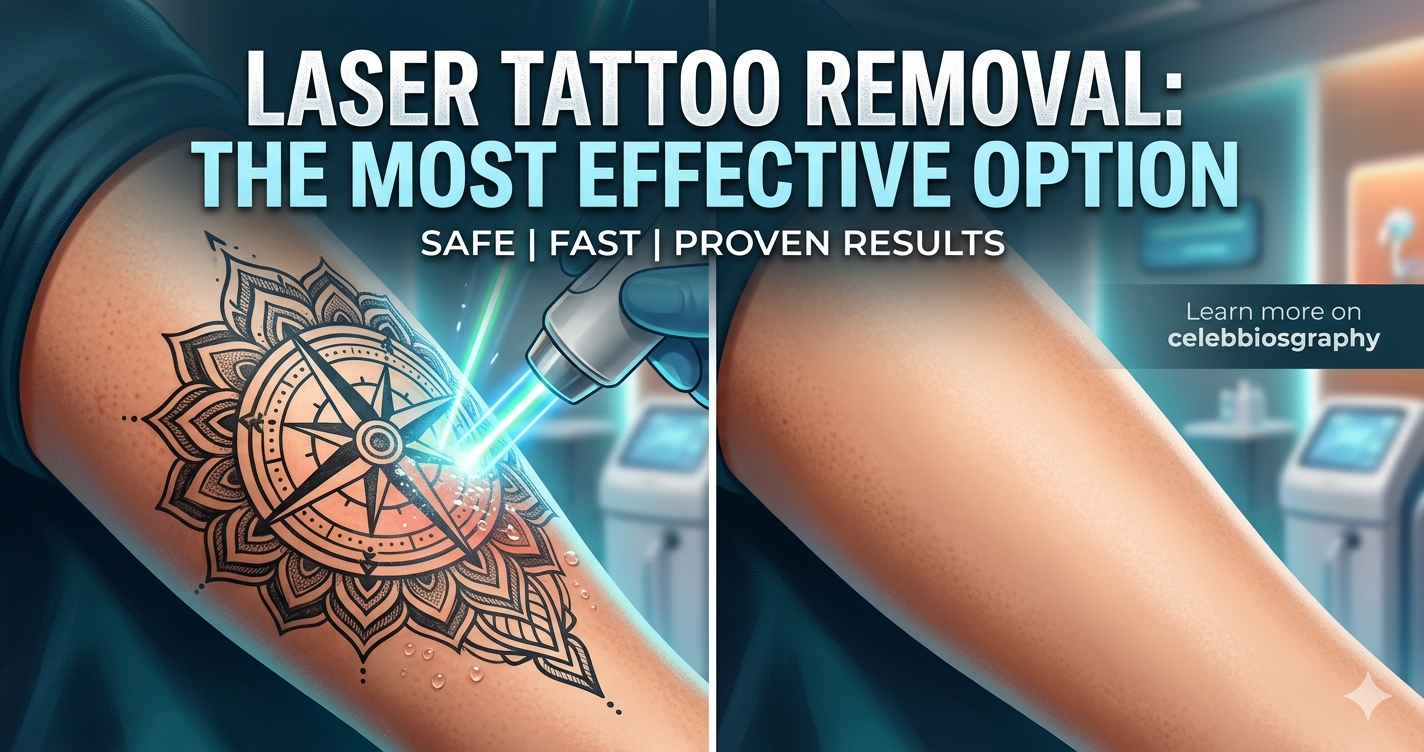
Laser removal is widely considered the safest and most effective method. It uses concentrated light energy to break down ink particles, allowing your body to gradually remove them.
For those considering removing a brand new tattoo, laser treatment is usually delayed until the skin heals. Starting too early increases pain and the chance of scarring.
How Laser Removal Works
- Targets ink pigments under the skin
- Breaks ink into tiny particles
- Immune system flushes them out
- Requires multiple sessions
Laser removal doesn’t deliver instant results. Most tattoos need several sessions spaced weeks apart. However, it offers the cleanest and safest outcome compared to other methods.
Can You Remove a Tattoo Immediately After Getting It
Technically, yes—but it’s strongly discouraged. Immediate removal attempts often involve harsh techniques that can severely damage your skin.
Some people try DIY methods or aggressive treatments within days of getting inked. This is risky and rarely effective. Instead of clean removal, you may end up with infections, burns, or permanent discoloration.
When it comes to removing a brand new tattoo, patience is your best tool. Let your skin heal first, then choose a professional and proven method.
Trying to rush the process often leads to worse results than simply keeping the tattoo.
At-Home Tattoo Removal: Does It Really Work
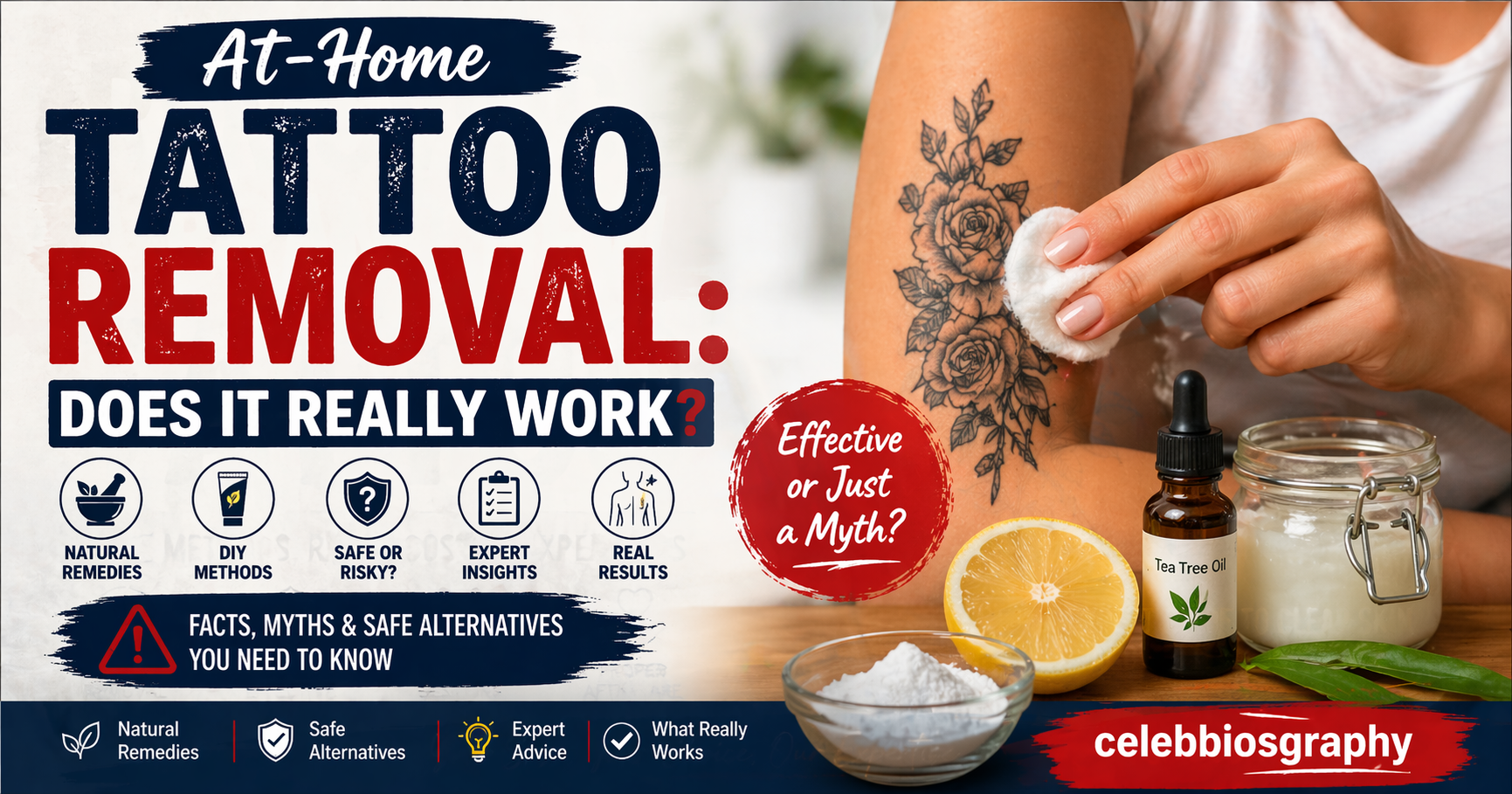
Many online guides promote home remedies like salt scrubs, lemon juice, or creams. These methods promise quick results, but they rarely deliver safe outcomes.
The truth is, at-home solutions cannot penetrate deep enough to remove tattoo ink effectively. Instead, they damage the surface of your skin while leaving the ink untouched.
Common DIY Methods (Not Recommended)
- Salt scrubbing (causes scarring)
- Lemon juice (skin irritation)
- Chemical creams (burn risk)
- Sanding or abrasion (severe damage)
If you’re serious about removing a brand new tattoo, professional treatments are the only reliable option. DIY methods often create bigger problems than the tattoo itself.
Risks of Removing a Brand New Tattoo Too Soon
Removing a tattoo too early comes with serious risks that many people overlook. Since your skin hasn’t healed, any aggressive treatment can cause lasting damage.
Major Risks Include
- Infection due to open skin
- Permanent scarring
- Uneven ink removal
- Skin discoloration
- Prolonged healing time
These risks make early removal a dangerous choice. Instead of solving the problem, you could end up with something much harder to fix.
That’s why professionals always stress waiting before removing a brand new tattoo.
Cost of Tattoo Removal in the USA
Tattoo removal costs can vary depending on size, color, and method. Laser removal is the most common option in the United States.
Average Price Breakdown
| Tattoo Size | Cost Per Session | Total Sessions |
|---|---|---|
| Small | $100–$300 | 5–8 |
| Medium | $200–$500 | 6–10 |
| Large | $500–$1000+ | 8–12 |
Keep in mind that complete removal takes time and money. While it may seem expensive, safe removal is worth the investment compared to the risks of cheap alternatives.
Does Tattoo Removal Leave Scars
Scarring depends on the method you choose and how your skin heals. Laser removal, when done correctly, has a low risk of scarring.
However, trying to remove a tattoo too soon increases this risk significantly. Fresh skin is more likely to react negatively, leading to permanent marks.
Proper aftercare also plays a big role. Keeping the area clean, moisturized, and protected helps reduce complications.
If you approach removing a brand new tattoo the right way, you can minimize or even avoid scarring completely.
Best Aftercare Tips During Tattoo Removal
Taking care of your skin during removal is just as important as the treatment itself. Good aftercare speeds up healing and improves results.
Essential Aftercare Tips
- Keep the area clean and dry
- Avoid direct sunlight
- Use gentle moisturizers
- Don’t pick or scratch
- Follow professional advice
Consistency is key here. Proper care ensures that your skin recovers smoothly while gradually fading the tattoo.
Alternatives to Tattoo Removal
If full removal feels overwhelming, there are other options worth considering. Sometimes, modifying the tattoo can be easier than removing it completely.
Popular Alternatives
- Tattoo cover-up with a new design
- Tattoo lightening for redesign
- Artistic modification
These options can save time and money while still solving your problem. Not every situation requires complete removal.
Does Tattoo Ink Type Affect Removal of a Brand New Tattoo
Not all tattoo inks behave the same way, especially when it comes to removing a brand new tattoo. The type, color, and quality of ink used can significantly impact how easy or difficult the removal process will be. Some pigments respond well to treatment, while others resist even advanced laser technology.
Dark colors like black and dark blue are usually the easiest to remove because they absorb laser energy more effectively. On the other hand, lighter colors such as yellow, green, and white can be more stubborn and require extra sessions.
Another factor is ink depth. Professional tattoos tend to be placed deeper into the skin, making removal more complex compared to amateur tattoos.
Understanding your tattoo’s ink composition helps set realistic expectations. It also allows specialists to customize the removal plan for safer and more effective results.
How Skin Type Impacts Removing a Brand New Tattoo
Your skin type plays a crucial role in how successful and safe the removal process will be. When it comes to removing a brand new tattoo, factors like skin tone, sensitivity, and healing ability can influence outcomes.
People with lighter skin tones often experience more effective laser results because the contrast between ink and skin is higher. Darker skin tones require more careful treatment to avoid pigmentation changes.
Sensitive skin may react strongly to early removal attempts, increasing the risk of irritation or scarring. That’s why professionals adjust laser intensity and session frequency based on individual skin characteristics.
Healing speed also varies from person to person. Some individuals recover quickly, while others need extra time between sessions.
Knowing your skin type helps you choose the safest approach and reduces the chances of unwanted side effects.
Why Professional Consultation Is Important Before Tattoo Removal
Before starting any removal process, consulting a specialist is one of the smartest decisions you can make. Removing a brand new tattoo without expert advice often leads to mistakes that could have been avoided.
A professional will assess your tattoo’s size, color, depth, and healing stage. Based on this evaluation, they create a customized plan tailored to your skin and goals.
They also help you understand realistic expectations. Tattoo removal is not instant, and results vary depending on several factors. Having clear guidance prevents disappointment and unnecessary risks.
Additionally, professionals ensure that your skin is ready for treatment. Starting too early can cause complications, so proper timing is essential.
In short, expert consultation acts as a roadmap, guiding you toward safe and effective tattoo removal while protecting your skin.
How Many Sessions Are Needed for Removing a Brand New Tattoo
Tattoo removal is not a one-time procedure. It requires multiple sessions spaced over time to safely break down the ink. When removing a brand new tattoo, the number of sessions depends on several factors.
Smaller tattoos may require around 5 to 8 sessions, while larger or more complex designs can take 10 or more. Ink color, depth, and skin type all play a role in determining the total number of treatments needed.
Each session gradually fades the tattoo rather than removing it instantly. This slow approach allows your body to process the ink particles naturally.
Spacing between sessions is equally important. Most treatments are scheduled 6 to 8 weeks apart to allow proper healing.
Patience is key here. Rushing the process won’t speed up results—it can actually harm your skin and delay progress.
Emotional Side of Regret and Removing a Brand New Tattoo
Tattoo regret isn’t just physical—it can also be emotional. Many people feel frustration, embarrassment, or disappointment after realizing they made a quick decision. Removing a brand new tattoo often becomes part of a bigger emotional journey.
It’s important to remember that regret is normal. People change, preferences evolve, and what felt right yesterday may not feel right today. Instead of panicking, taking a calm and informed approach helps you handle the situation better.
Talking to a professional or even friends can provide reassurance and clarity. You’re not alone in this experience—many people go through the same process.
Focusing on solutions rather than regret helps you move forward confidently. With the right plan, you can fix the mistake and feel comfortable in your skin again.
Conclusion
Regretting a tattoo can feel stressful, especially when it’s brand new. The urge to fix it immediately is understandable, but rushing into removal can lead to bigger problems. When it comes to removing a brand new tattoo, patience is not just important—it’s essential.
Your skin needs time to heal before any safe removal method can begin. Waiting at least 6 to 8 weeks allows your body to stabilize and reduces the risk of scarring or infection. Laser removal remains the most effective option, while DIY methods should always be avoided.
In the end, the goal isn’t just to remove the tattoo—it’s to protect your skin and achieve the best possible outcome. Take your time, choose the right method, and trust professionals to guide you through the process safely.
FAQs
1. Can I remove a tattoo the same day I get it?
No, it’s unsafe and can damage your skin. Always wait until it heals.
2. How painful is tattoo removal?
It feels similar to getting a tattoo, sometimes slightly more intense.
3. Will a new tattoo fade on its own?
Slight fading may occur, but it won’t disappear completely.
4. Is laser removal safe for fresh tattoos?
No, you must wait until the tattoo fully heals first.
5. What is the fastest way to remove a tattoo?
Laser removal is the fastest and safest professional method.

